



The History of the Louis Vuitton Neverfull
The History of the Louis Vuitton Neverfull
How a summer tote became one of the most recognised bags in the world.
The history of the Neverfull is shorter than most collectors expect. The tote was launched in 2007, more than 150 years after the house opened its first workshop in Paris, and it was first conceived as a seasonal beach bag. It soon outgrew that brief, and today it is one of the most sought-after totes in the world. Here is how it came to be, what sets its design apart, and how to look after one so it can be carried every single day.

When was the Neverfull introduced?
The Neverfull arrived in 2007 in three sizes: the PM, MM and GM, from the French for small, medium and large. Its name is a promise about capacity, and it keeps it. Designed as a piece for the summer season, it was adopted by collectors as an everyday tote, the bag that goes to work, to lunch and onto the plane.
It belongs to a long line of practical designs from the house, from the flat-topped trunks of the 1850s to the Noé, made in 1932 to carry champagne. Our guide to the house's history covers that earlier story.
What makes the Neverfull design so recognisable?
Part of the answer is how little it asks of you. The body is supple Monogram coated canvas, roomy without being bulky. Two slim handles sit comfortably over the shoulder or on the arm. Leather side laces let you cinch the bag into a sleeker shape or loosen it for a more relaxed one, and a hook closure draws the top together.
The handles, trim and laces are natural, vegetable-tanned cowhide, which collectors know as Vachetta. It arrives a pale, fresh tan and deepens to a warm honey over time as light, air and handling build its patina. That leather is the heart of the bag's character, and it is the part of a Neverfull that needs the most thought.

What changed in 2013?
In 2013 the design was refreshed. Since then, every Neverfull has come with a detachable zipped pouch that works as an extra pocket inside or can be carried on its own as a clutch.
The interior was lined in a striped textile, first in beige or cherry, a nod to the linings of the house's early trunks. The choice of lining colours has widened since, but the idea is the same: a modern tote with a little of the archive inside it.
Which canvases and leathers has the Neverfull been made in?
Alongside Monogram, the Neverfull has been released over the years in Damier Ebene and Damier Azur canvas and in Epi leather, as well as in seasonal colourways and artist collaborations.
The Damier pattern dates to 1888 and the Monogram to 1896, so even this young bag wears some of the oldest designs in the house's archive. Whichever version you own, the principle is the same: coated canvas for the body, natural leather where your hands rest.
A Neverfull is made to be filled, carried and lived with. Our part is making sure it can be.Havre de Luxe
How do you care for a Neverfull?
A tote that is carried every day meets everything: rain, hand cream, café tables and dark denim. These are the habits we keep with our own.
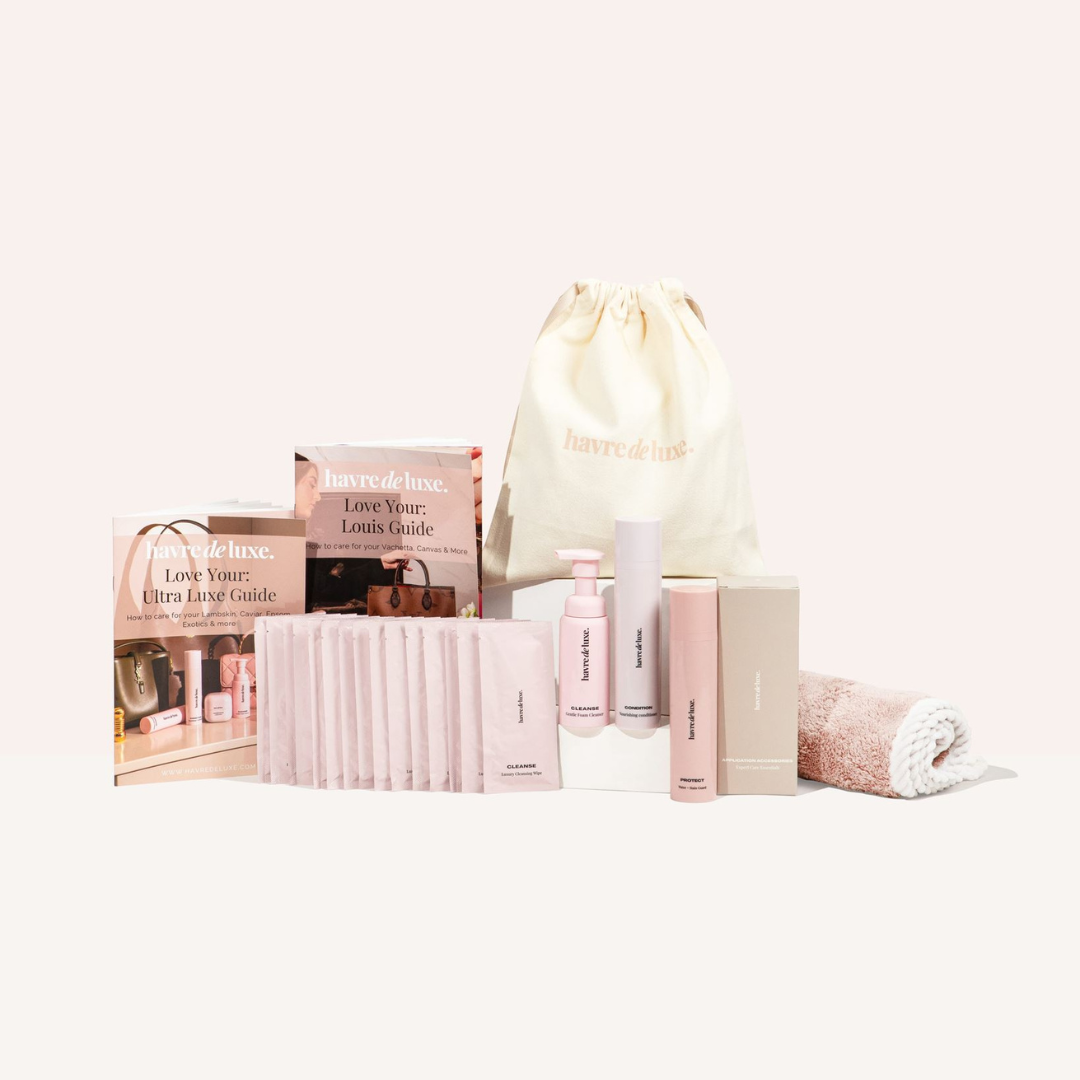
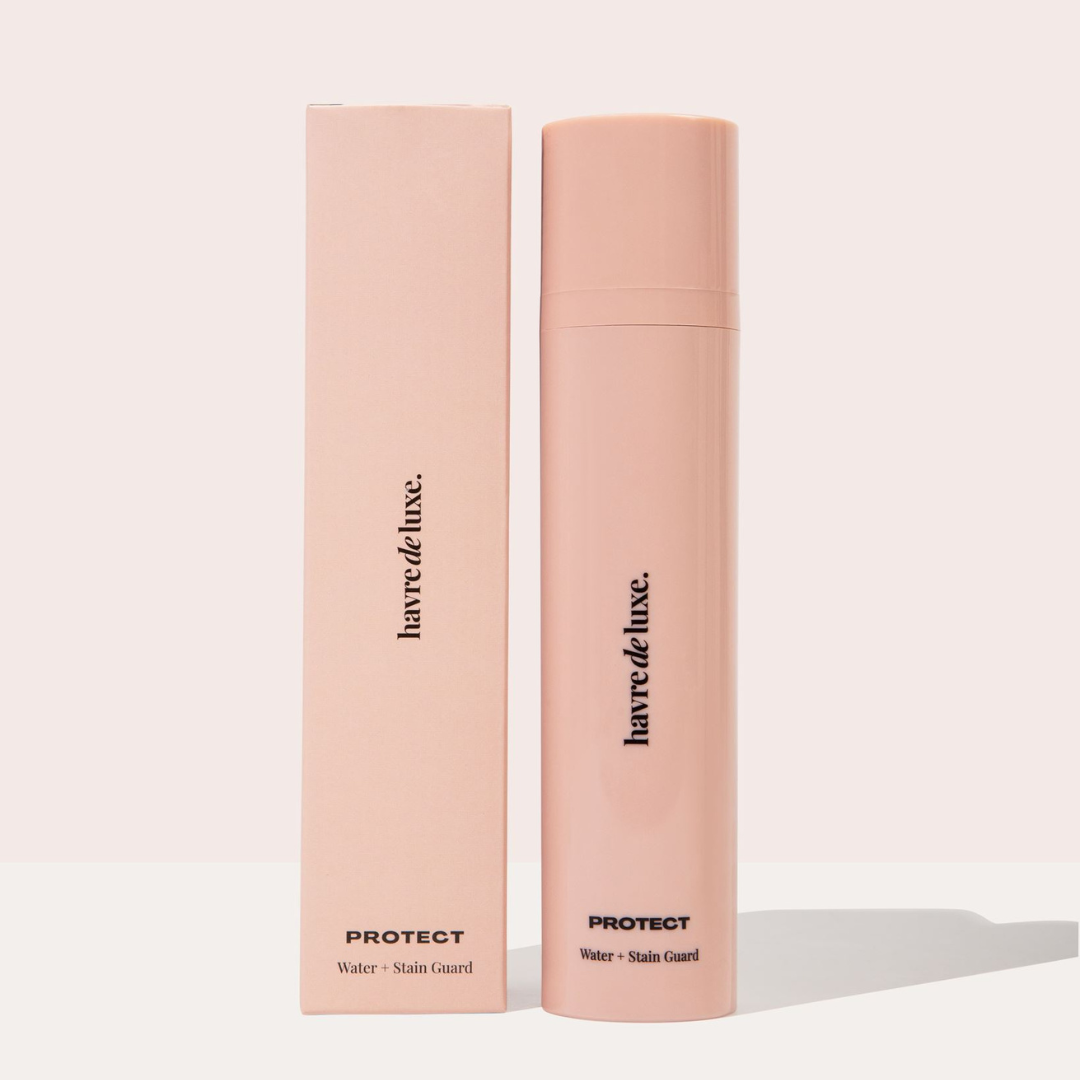
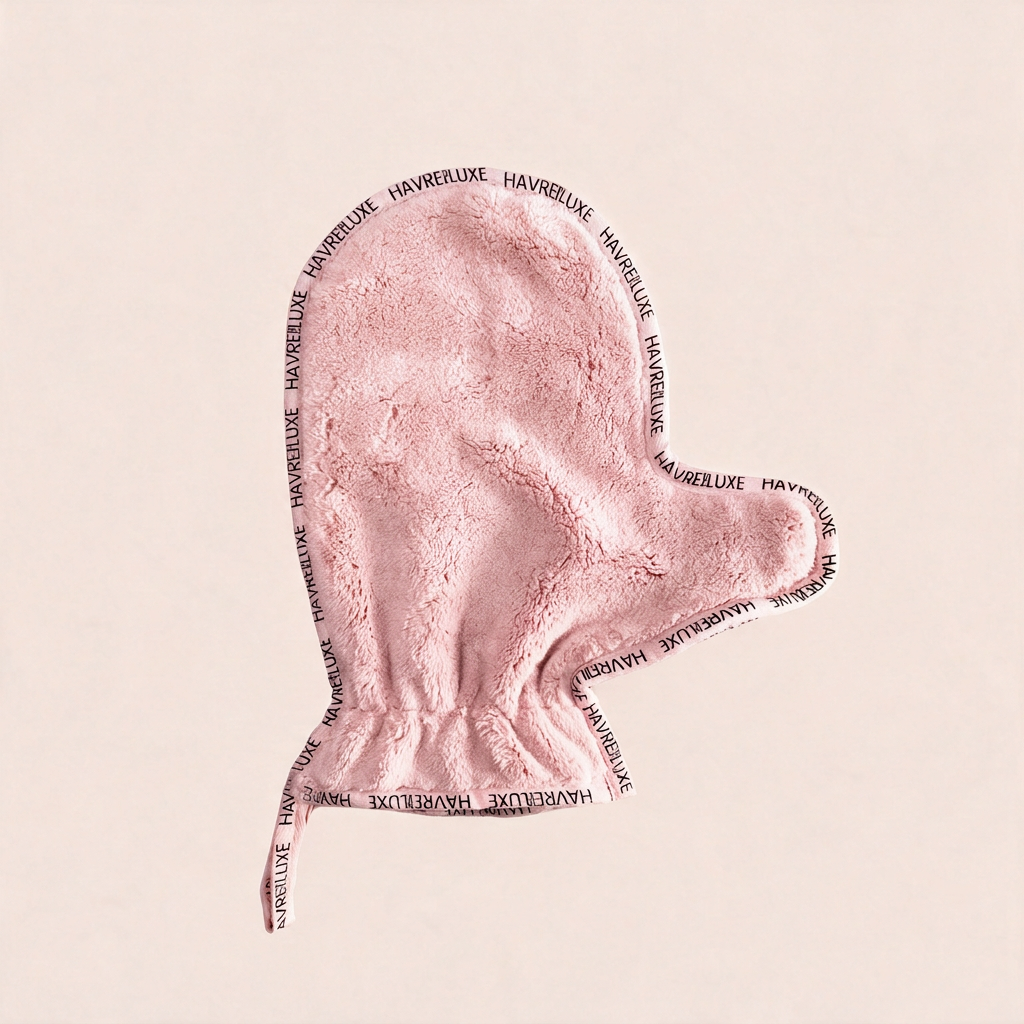
- Protect it before its first outing. Apply Water and Stain Guard onto the Application Mitt, never straight onto the bag, and smooth it over the canvas, handles and laces in light, even coats, for total peace of mind.
- Give the handles and laces the most attention. They are where your hands rest, so carry the bag with clean, dry hands and re-protect every 8 to 12 weeks, depending on how often you carry it. Our guide to protecting Vachetta covers the full method.
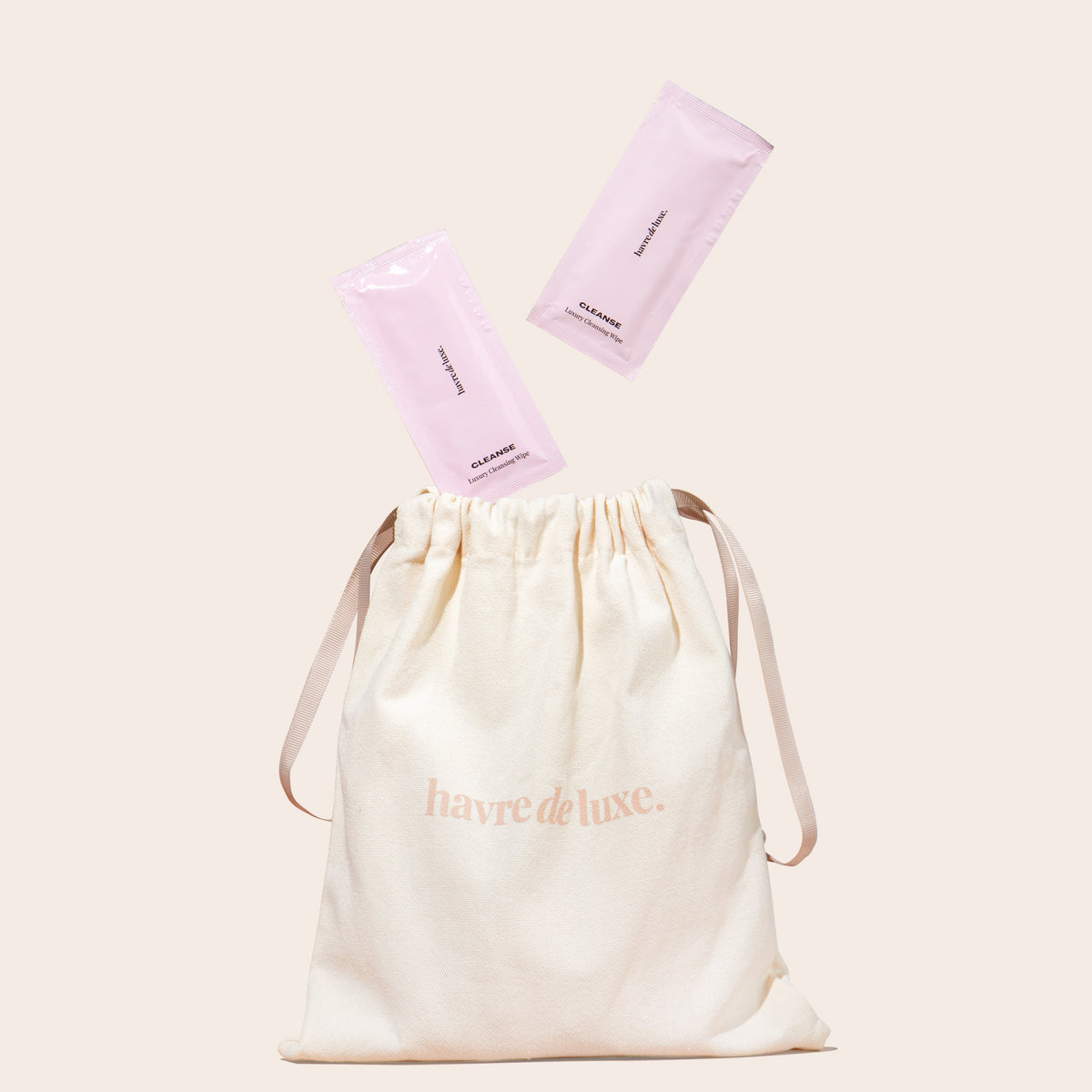
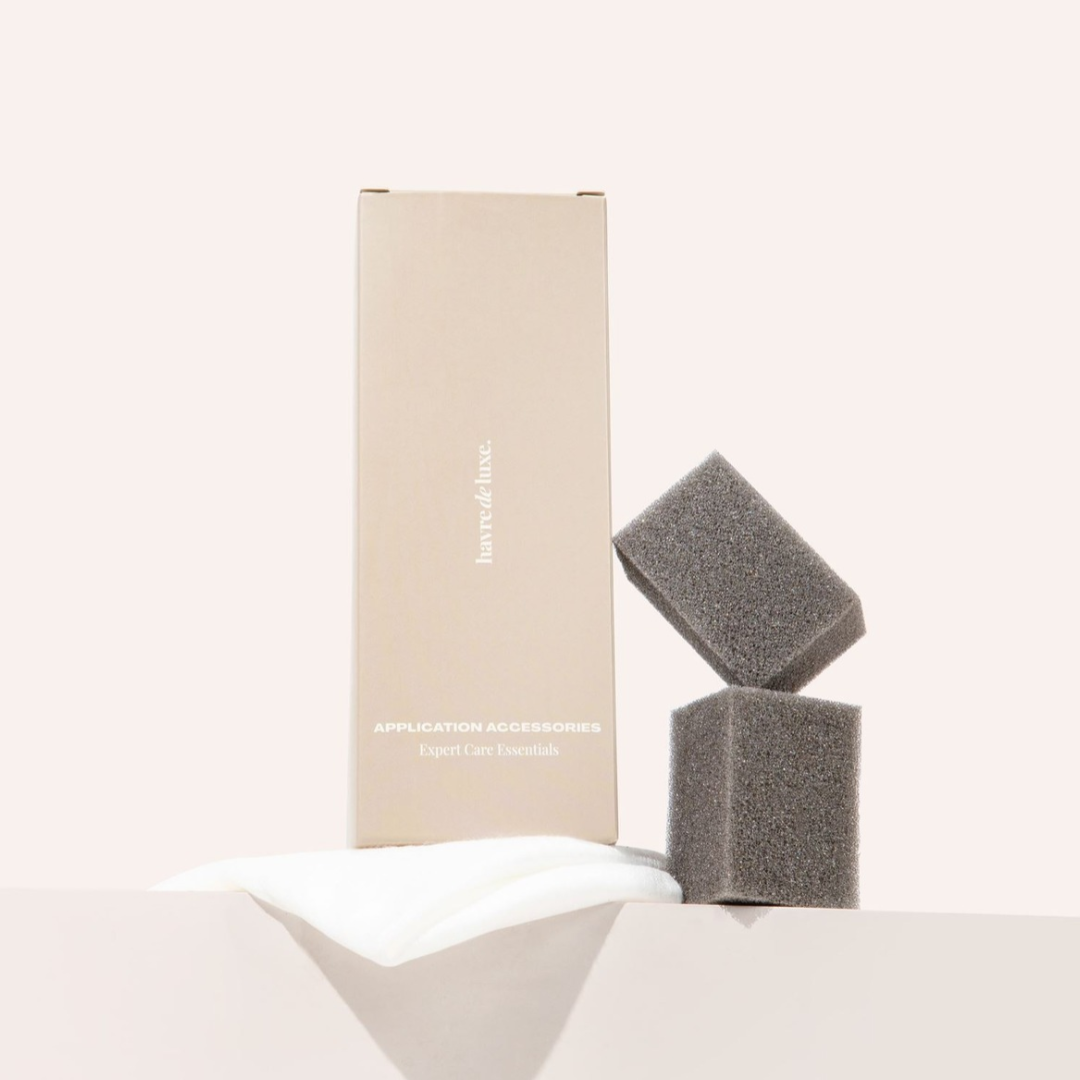
- Catch marks on the canvas early. Keep Cleansing Wipes in the pouch and use light passes the moment something lands. Fresh marks lift far more easily than settled ones.
- Mind the base and corners. A tote is set down often. Choose a clean, dry surface, and keep it off floors where you can.
- Refresh the lining and pouch. Empty them regularly. Gentle Foam Cleanser is made for interiors as well as exteriors, applied to the mitt in small, light passes.
- Let it rest well. Between outings, keep it in its dust bag rather than its box, somewhere cool, dry and shaded.
A new Neverfull needs Water and Stain Guard and nothing else. Conditioner can darken untreated Vachetta, so save it for older, drier trim that genuinely needs feeding. If marks have already appeared, our guide to removing water marks from Vachetta explains what can be done.
If you carry one, our guide to cleaning a Neverfull covers its canvas, Vachetta and lining.
FAQs
When did the Neverfull come out?
The Neverfull was launched in 2007, first conceived as a seasonal beach bag, in three sizes: PM, MM and GM.
When did the Neverfull get its pouch?
Since 2013, every Neverfull has come with a detachable zipped pouch that can be used as an inside pocket or carried as a clutch.
Why do Neverfull handles darken?
The handles, trim and laces are natural, vegetable-tanned cowhide with no protective finish, so they develop a patina from light, air and handling. Protecting them early with Water and Stain Guard helps that patina develop more evenly.
Should I condition a new Neverfull?
No. New Vachetta still holds its own oils, and conditioner can darken it. A new Neverfull needs Water and Stain Guard before first wear and nothing else.
Made to be carried
The Neverfull was never meant to sit on a shelf. Protect it before the first outing, keep the means to care for it inside the pouch, and it will take on a patina that belongs to you alone. For a more structured tote from the same house, read our guide to the OnTheGo.
Everything your tote needs, in one place
Care for canvas and Vachetta alike, made to the highest of standards in England.
SHOP THE SIGNATURE COLLECTIONSee our care guides first on Google
Add Havre de Luxe as a preferred source and our newest guides appear first in your Google Top Stories.



20 comments
vWaXyMdfnmT
ckmMzECyKT
HlFLcnSyweuzY
bBPuqeirohnMa
RxIylTSs